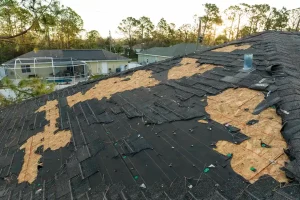
Roof damage in modern homes often stems from various environmental factors and installation practices. Strong winds, heavy rainfall, and UV exposure can deteriorate roofing materials over time. Additionally, inadequate installation can lead to air leaks and moisture issues. Understanding these causes is essential for homeowners. However, recognizing signs of damage and the importance of regular maintenance can be vital in preventing costly repairs. What specific steps can homeowners take to protect their roofs effectively?
Key Takeaways
- Environmental factors like wind, rain, and snow can lead to significant roof damage over time.
- Poor installation practices, such as misaligned shingles, create vulnerabilities for moisture intrusion.
- Weather events, including storms and hail, can result in missing shingles and material cracks.
- Lack of routine maintenance allows debris to accumulate, causing drainage issues and potential leaks.
- Visible signs like dark stains, sagging areas, or missing shingles indicate underlying roof damage.
Common Environmental Factors Contributing to Roof Damage
Although many homeowners may overlook the impact of environmental factors, they play a significant role in what causes roof damage. Various elements such as wind, rain, snow, and UV radiation can contribute to the deterioration of roofing materials. High winds can dislodge shingles, while excessive rain may lead to moisture accumulation, promoting mold and algae growth. Snow accumulation can cause ice dams, which obstruct proper drainage and lead to leaks. Additionally, prolonged exposure to UV rays can weaken roofing materials, making them brittle and prone to cracks. Understanding these environmental influences is essential for homeowners to proactively address potential vulnerabilities, ensuring the longevity and integrity of their roofs. Recognizing what causes roof damage allows for informed maintenance decisions and fosters a sense of community among homeowners.
The Impact of Poor Installation on Roof Integrity
When roofing systems are poorly installed, the integrity of the entire structure can be compromised, leading to significant issues over time. Improperly aligned shingles, insufficient sealing, and inadequate underlayment can create vulnerabilities that allow moisture intrusion and air leaks. These installation errors often result in accelerated wear and tear, voiding warranties and increasing repair costs. Additionally, poorly installed roofs may fail to meet local building codes, potentially leading to safety hazards. Homeowners may experience increased energy bills as HVAC systems work harder to compensate for air loss. Understanding what causes roof damage through poor installation is essential for maintaining structural integrity and ensuring longevity in modern homes. Proper installation techniques are vital for safeguarding investments in residential roofing.
Identifying Roof Damage From Weather Events
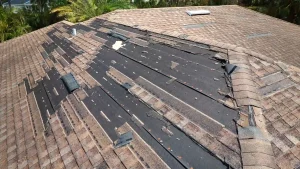
Severe weather events can lead to various forms of roof damage that may not be immediately visible to homeowners. After storms, prevalent issues include missing shingles, granule loss, and water infiltration. Hail can cause pitting and cracks in roofing materials, while high winds may lift or entirely remove shingles, compromising the roof’s integrity. Additionally, heavy snowfall can lead to ice dams, which trap water and create leaks. Homeowners should conduct regular inspections following significant weather events to identify these potential issues early. Understanding what causes roof damage is essential for maintaining a safe and secure home environment. Early detection and prompt repairs can mitigate further damage and preserve the roof’s lifespan, fostering a sense of community care and responsibility.
The Role of Maintenance in Preventing Roof Damage
Regular maintenance plays an essential role in preventing roof damage, as it allows homeowners to address minor issues before they escalate into considerable problems. Routine inspections identify potential vulnerabilities, such as loose shingles or clogged gutters, which can lead to water infiltration and structural damage. Additionally, regular cleaning of debris and moss buildup is critical to maintaining proper drainage and ventilation. Homeowners should also verify that flashing and seals around chimneys and vents are intact to prevent leaks. By adhering to a consistent maintenance schedule, the likelihood of costly repairs decreases considerably. Ultimately, understanding what causes roof damage and proactively managing these factors fosters a sense of belonging and responsibility within the community, ensuring the longevity and integrity of residential properties.
Signs of Roof Damage Homeowners Should Watch For
Homeowners must be vigilant in recognizing the signs of roof damage to mitigate further issues. Common indicators include missing or damaged shingles, which may expose the underlying materials to moisture. Dark streaks or stains on interior ceilings can signal leaks, while granules accumulating in gutters may suggest shingle deterioration. Additionally, sagging areas on the roof surface can indicate structural weaknesses. Homeowners should also inspect for cracked or curling shingles, as these often precede significant water infiltration. It is essential to address any signs of damage promptly, as neglecting them could lead to more severe consequences, including mold growth and increased repair costs. Understanding what causes roof damage empowers homeowners to maintain their property effectively.
Frequently Asked Questions
How Can I Tell if My Roof Is Aging?
Signs of an aging roof include curling or missing shingles, granule loss, visible wear, leaks, and sagging. Homeowners should conduct regular inspections to assess these indicators and guarantee timely maintenance or replacement for safety and protection.
What Materials Are Most Resistant to Roof Damage?
Materials such as metal, slate, and tile exhibit superior resistance to roof damage due to their durability, longevity, and weather-resistant properties. These options provide enhanced protection against harsh environmental conditions, ultimately ensuring greater structural integrity over time.
Does Roof Color Affect Heat Absorption and Damage?
Roof color considerably influences heat absorption, with darker shades absorbing more heat, potentially leading to increased thermal stress and damage. Conversely, lighter colors reflect sunlight, reducing heat buildup and enhancing the roof’s longevity and performance.
Can Wildlife Cause Roof Damage?
Wildlife can indeed cause roof damage through nesting and foraging behaviors. Animals like squirrels and raccoons may create openings, leading to leaks and structural issues, emphasizing the need for regular inspections and preventive measures.
How Often Should I Inspect My Roof for Damage?
Roof inspections should occur at least twice a year, ideally in spring and fall. Additionally, after severe weather events, homeowners should check for damage to verify longevity and maintain the roof’s structural integrity.
Conclusion
To sum up, homeowners must recognize the multifaceted causes of roof damage, including environmental factors and installation deficiencies. Proactive maintenance and regular inspections play a critical role in safeguarding roofing integrity. By remaining vigilant for signs of damage and addressing potential issues promptly, homeowners can greatly extend the lifespan of their roofs and avoid costly repairs. Understanding these elements is essential for ensuring the long-term functionality and durability of modern roofing systems.
You May Also Like To Read: